industry approach
Controlled change
Logistics operations cannot afford downtime for the sake of progress. We deliver through phased, reversible, tested change — protecting operational continuity, trust, and margin while systems evolve.
transport & logistics
Build the capabilities to compete and grow while keeping goods, passengers, and critical operations on track. From the first workshop to the last handover, we work closely with you to deliver what your organization needs, combining advisory, engineering, data, AI, and security expertise to get things done – right and on schedule.
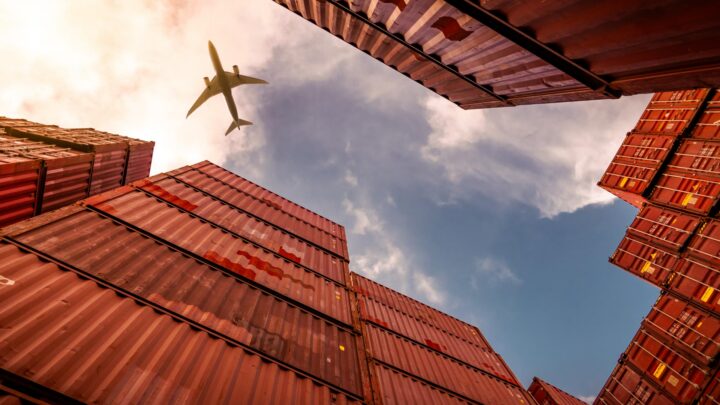
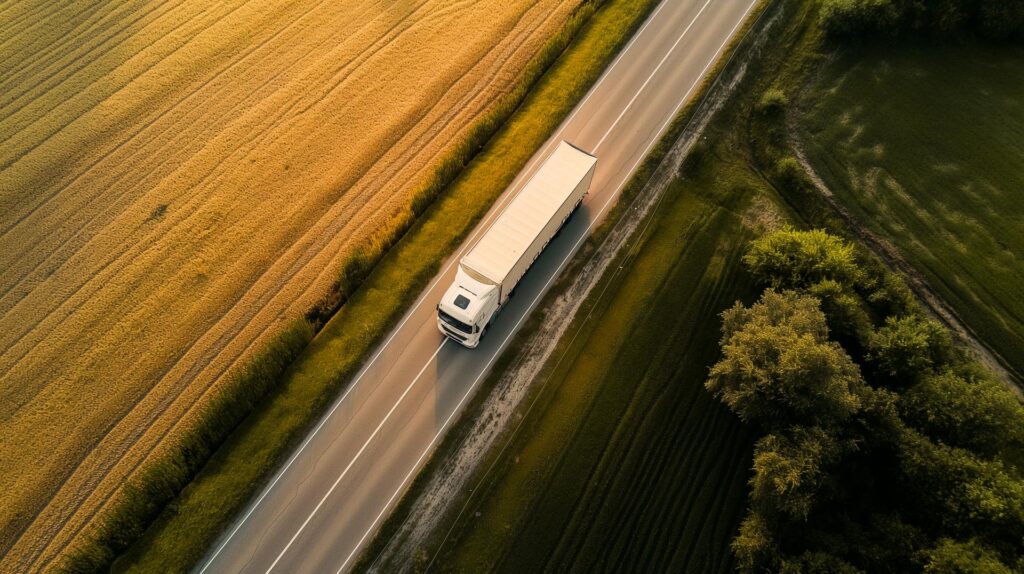
Logistics and transportation runs on tight margins and tighter tolerances. A system that fails does not just cost data, it stops trucks, ships, and warehouses from moving. At the same time, the pressure to modernize keeps building: networks grow more complex, and customer expectations keep rising. The companies that stall fall behind; the ones that move carelessly risk the continuity their business depends on.
We work inside that balance. Our role is to help logistics and transportation companies apply AI, modernize legacy systems, connect operational data, and build resilient, secure operations, so progress and stability move together.
how we work
industry approach
Logistics operations cannot afford downtime for the sake of progress. We deliver through phased, reversible, tested change — protecting operational continuity, trust, and margin while systems evolve.
industry approach
A system outage can be costly, especially when it brings trucks, ships, and warehouse operations to a standstill. We treat cybersecurity as an operational continuity problem, not a bolt-on IT function, building resilience into the systems that keep goods and passengers in motion.
industry approach
Legacy systems are often deeply embedded in dispatch routines and warehouse workflows, not just infrastructure. We design change around the people running operations day to day, so modernization sticks instead of stalling at adoption.
indstry approach
Most logistics environments run on a patchwork of EDI, TMS, WMS, and telematics systems built up over years, often through M&A. We work within that reality, integrating around existing complexity instead of demanding a clean-slate rebuild.
what we get done
Shipment, fleet, and inventory status live across disconnected systems that rarely agree with each other, blurring visibility and traceability. We help you consolidate that data and build the architecture behind it — carrier feeds, fleet telemetry, and warehouse systems — so operations, dispatch, and customers see one real-time view instead of five conflicting ones.
Demand shifts, capacity risk, and equipment failure are often visible in the data long before they hit the floor, but hidden in systems that were never built to talk to each other. We help you build the AI-driven forecasting and predictive models to catch those signals across demand, maintenance, and network risk.
Warehouse and dispatch workflows still depend heavily on manual steps, and labor shortages make them harder to staff every year. We help you build the AI and automation behind them — dynamic routing, sorting, and repetitive warehouse tasks — so throughput holds steady.
Core systems accumulate years of customization while every new partner or acquisition add complexity to a stack that gets harder to evolve. We help you modernize legacy systems into resilient, flexible platforms. By introducing modular architectures and well-designed integration layers, we decouple core capabilities, reduce risk, and make change easier. Automated CI/CD pipelines enable frequent releases, so new features reach production without disrupting day-to-day operations.
Transport and logistics are among the sectors most targeted by ransomware, making security across digital environments and operational technology a critical priority. We help you build a security posture that accounts for both, bringing protection, monitoring, disruption response, and recovery together to strengthen resilience across the organization.
Emissions reporting, customs data, and driver-hours records often get pulled together manually from systems that were never designed to produce them. We help you build compliance into the operational systems themselves — reporting, documentation, and audit trails — so regulatory requirements get met as a natural part of running well, not a separate exercise.
case studies
September 23, 2026

September 22, 2026
September 18, 2026


public transport
Public transportation moves millions of people every day, and every delay, outage, or security incident is felt immediately by passengers. Learn how we help transportation authorities and operators keep systems running reliably, securely, and ready for what’s next.
Trusted by